

Managed by the County’s Agricultural Services Board
The County of St. Paul Agricultural Services Board (ASB) is a mix of County Councillors and Resident Members-at-Large who work to assess the needs and direction of the agriculture industry in the St. Paul Region. In doing so, the ASB guides the County on what agricultural programs and services to provide to residents to ensure the long-term sustainability of agriculture.
All ASB programs and services are based on Provincial legislative requirements, following the Agricultural Service Board Act, Weed Control Act, Agricultural Pest Act, Soil Conservation Act, and assisting with the Animal Health Act.
Strychnine Emergency Use Approval
Vegetation Management
Controlling noxious, nuisance weeds and brush along roadways and municipally-controlled lands is a top priority for the County’s ASB.
Our activities to control weeds in the County include Roadside Spraying, Inspections, and Roadside Mowing. Inspections are a continuous process to identify problem areas to build into our annual plans.

Roadside Mowing Program
To ensure resident safety, the Roadside Mowing Program keeps County ditches and ROWs cleared to provide visibility for anyone travelling on County roads.
Mowing takes place between May-September annually, moving from one section of the County to the other over the five months. Sections are identified by Council through ratepayer feedback and provided to our contract mowers in a seasonal plan. Contact your Councillor to share your feedback.

Roadside Spray Program
Roadside Spraying is used to stop the establishment of weeds such as Common Tansy, ox-eyed daisy, field Scabious, toad flax, Scentless chamomile and Canada or sow Thistle.
Brush is also sprayed to slow down encroachment on roadsides.
If you have concerns about the use of herbicide near your farm or acreage, see below for more information on Weed & Brush Control Agreements.

Pest Control
The County of St. Paul conducts surveys during the summer to keep a vigilant eye out to prevent invasive pests and diseases from establishing and to contain them if found. Pests and diseases can affect both crops and livestock, so the County has identified our biggest culprits.
Livestock Predation
Various methods can be used to protect livestock from being threatened or damaged. These are not population control tactics, but rather prevention and deterrents. Call Public Works to discuss potential methods with our ASB staff.
Bait and Chemical Control
Mouse bait and other chemical pest control options can be purchased from local retailers where staff hold a Pesticide Applicator License. In the St. Paul region, this includes retailers such as UFA and the Seed Cleaning Plant. Only bona fide farmers can purchase these items.
Types of Pests
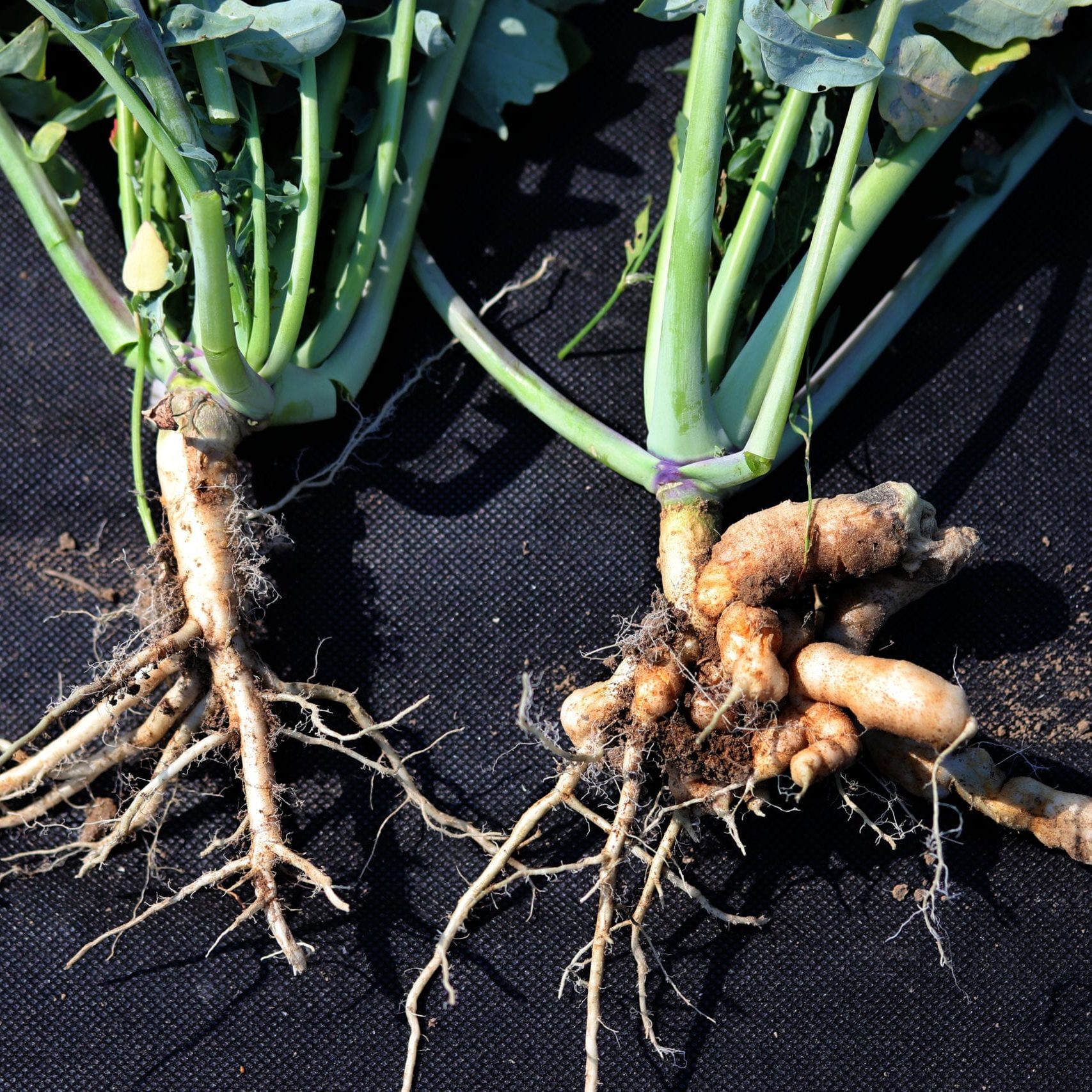
Disease - Clubroot
Clubroot is a serious soil-borne disease of canola, mustard, and other crops in the cabbage family. This disease can significantly reduce yields and quality, potentially even destroying a crop if infestations are high.
Field inspections in the County are conducted each summer. If a field is verified to have clubroot by a laboratory test, the landowner will be notified by County ASB staff and a Clubroot Pest Notice will be issued.
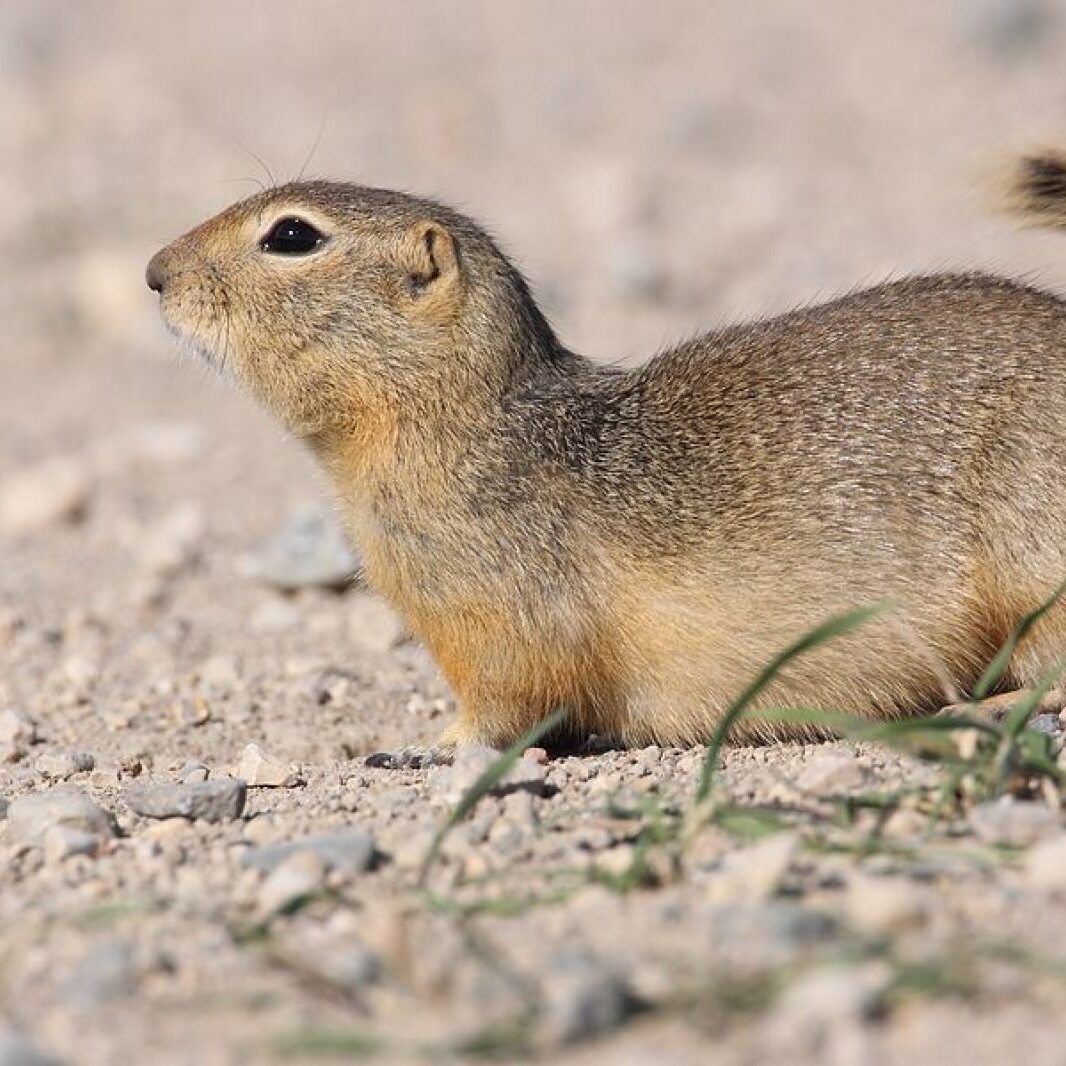
Pest - Richardson Ground Squirrels
More commonly known as gophers, Richardson Ground Squirrels should be monitored to best determine control methods. Timing is key, as controls should be put in place in April/May when males emerge above ground and before females return underground to have their litter.
Cultural controls can be continuous, such as not overgrazing pastures, leaving vegetation to grow longer, and building wildlife habitats (e.g. nesting boxes, perches) to encourage natural predation. Chemical controls can be purchased through your local retailer, which includes Zinc Phosphide (fast-acting acute rodenticide) and Rozol/Ground Force (slower multi-feed bait). Speak to your local retailer about your options.
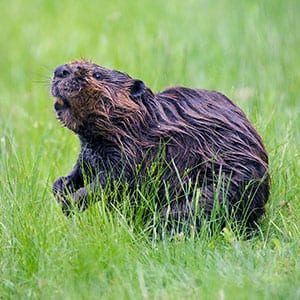
Pest - Beavers
Beaver activity can cause landowners to experience flooding of their land or surrounding roadways. As this can have a detrimental impact on land productivity, the County provides services and seasonal programs to help control this activity and mitigate potential effects.
The Beaver Reduction Incentive Program runs in the spring and the fall, with dates announced prior to each opening, to assist landowners in addressing problem areas. The County also hires a seasonal trapper to provide additional removal services. Contact ASB staff at Public Works to find out more.
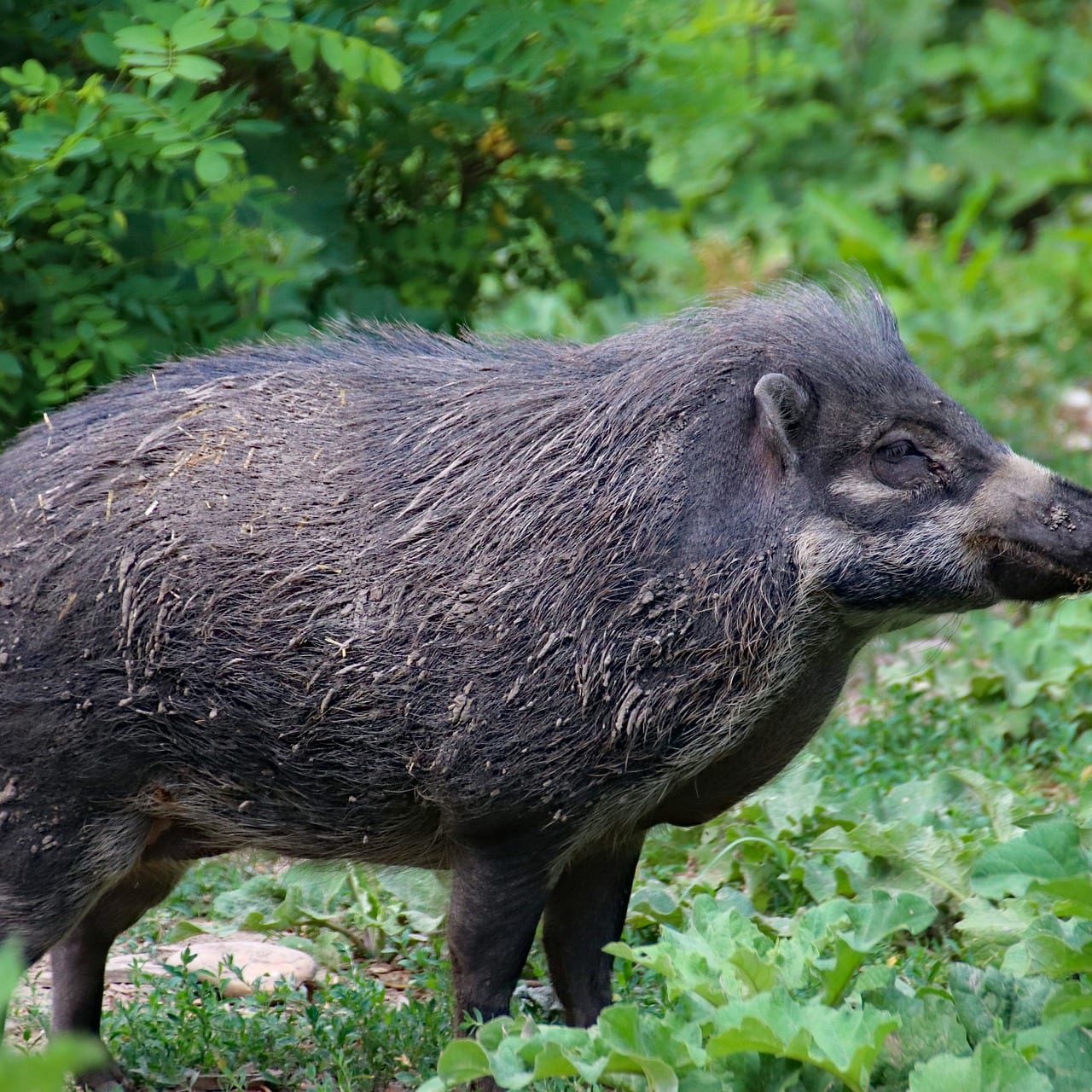
Pest - Wild Boars
Wild boars can damage property, crops, pastures, and the surrounding environment, as well as known to endanger people and animals. In January 2026, the Alberta government declared wild boar and their hybrids to be a pest throughout Alberta, not just when at large. Farmers of Wild Boar can apply to Wild Boar On-Farm Exit Program to either grandfather in their permit or receive compensation for disbursement.
If you see a wild boar at large, dead or alive:
1. Safely take a picture.
2. Note the location.
3. Email [email protected] or
call 310-3276 (FARM)
Pest - Predators
As a rural agricultural community, livestock producers in the County may experience predator pressures, specifically from coyotes and wolves, resulting in livestock losses and other predation risks.
The Predator Management Incentive Program is financially supported by the Alberta Professional Outfitters Society’s Wildlife Management Fund (WMF) and is hosted through the St. Paul Fish & Game Association. The Program follows annual dates, announced before each opening, and provides an incentive for the lawful harvest of coyotes and wolves within the County as a practical agricultural support measure.
The 2026 program dates are February 1-April 1. The program guidelines can be found here.

Pest & Disease - Rats
Though Alberta is considered rat-free, this does not mean we don’t have rats in the province. Most rats come into Alberta by 'hitching' rides on vehicles coming in from Saskatchewan or British Columbia. Rats can reproduce quickly, so if there are more than two an infestation is declared.
Rats can sometimes be mistaken for muskrats or other similar rodents. If you believe you have come across a rat, dead or alive:
1. Take a picture.
2. Note the location.
3. Email [email protected] or
call 310-7287 (RATS)
4. If the critter is identified as a rat, the sighting can be acted on right away.
Resources
Our farms are stronger together, through collaboration and by accessing the numerous resources available.
Lakeland Agricultural Research Association (LARA)
LARA is a non-profit agricultural research association serving Northeastern Alberta since 1991. Born from a collaboration of local producers who saw the need for regional agricultural research and extension, LARA supports sustainable agriculture in the Lakeland Region.
Their mandate is to conduct innovative and unbiased research, give demonstrations, offer programs, and provide resources to local farmers.
While LARA serves the Lakeland region, they offer free programming to producers in the Municipal District of Bonnyville and the County of St. Paul.
Agricultural Services Policies
Frequently Asked Questions
Contact
If you have an Agriculture related question we invite you to contact the County of St. Paul using the contact information found on this page.
Contact Information
JASON STORCH, Director, Community Services / Ag Fieldman
Phone: 780-646-6768
CHRIS SCHUH, Agriculture and Waste Supervisor
Phone: 780-646-6804
MIENNA STAROSIELSKI, Agriculture and Waste Foreman
/ Assistant Ag Fieldman
Phone: 587-465-1496
Email:
[email protected]
Public Works Phone:
780-645-3006
Public Works:
5618 57 Street
St. Paul, AB
8 a.m. - 4:30 p.m. (winter hours)
Closed from 12 p.m. to 12:30 p.m.
Closed on weekends and all Statutory Holidays
